League Operations
Youth Hockey Doesn’t Break on the Puck. It Breaks on Ice Time.
The game is three periods. The hard part is the bought ice, the second pad, and the parent still driving to last week’s rink.
· Coaches Pick · 11 min read
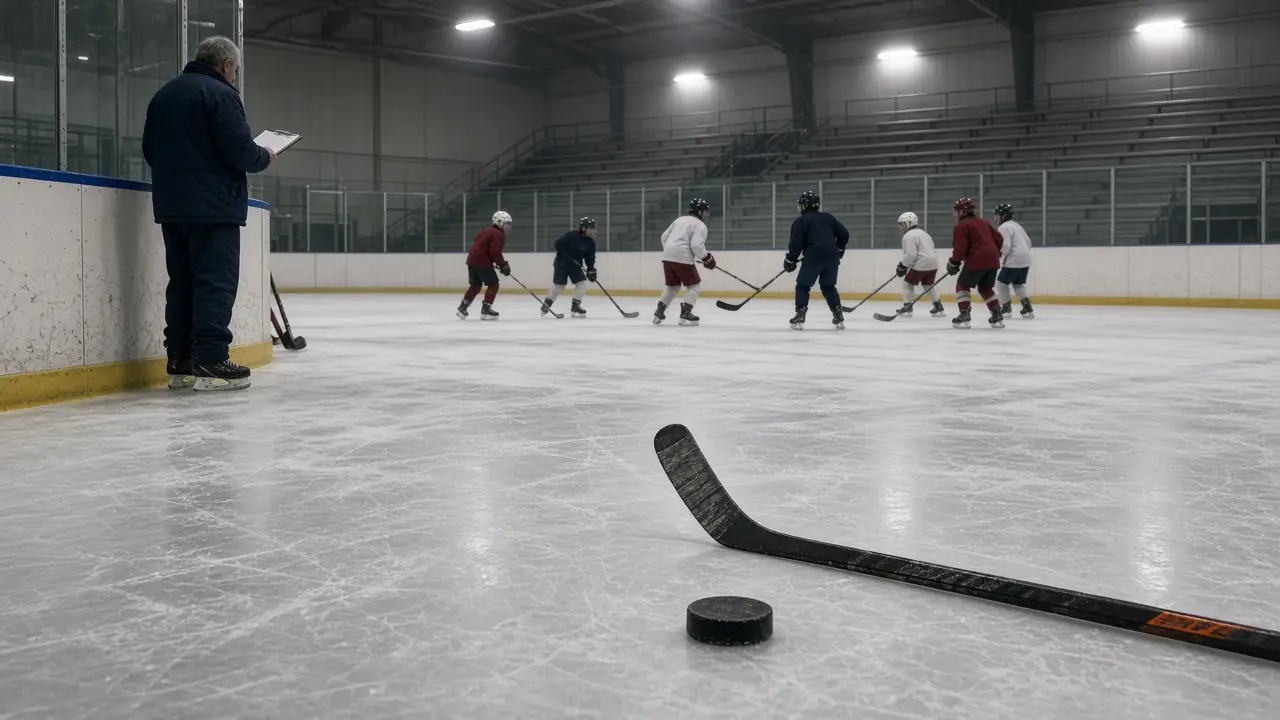
If you run a youth hockey league, late September is not the playoff. It is the week ice contracts lock, house teams get the leftover pad, and a first-time parent is still programming last week’s rink into the car. The puck is the easy part. The slot is the product.
Basketball loses a school night on a locked gym. Lacrosse loses Saturday on shared turf. Hockey loses the morning when Pad B is resurfacing, the travel team bought the window you thought you had, and a parent is driving across the metro to the wrong building. The sport is different. The operations problem is the same: one official schedule, or three unofficial ones.
Hockey also starts earlier than most rec sports. A 6:15 a.m. practice does not forgive a stale screenshot. If the rink, the pad, the door, and the start time live in a coach’s camera roll, families will miss the first shift before they ever learn the crease. That is why mid-season flag notes still apply on ice: change the official copy first, then tell people.
Why do youth hockey leagues break on ice time?
They break because ice is bought in minutes, not days. A house program does not own the building. It rents a window between a public skate, a figure-skating session, and a travel team that can pay more. When that window moves, the roster has to move with it.
A Detroit hockey or Buffalo hockey director can fill Mites through Bantams faster than they can hold 6:15 ice against a club that wants the same pad. Two soccer teams can share a painted field. Two hockey teams cannot share one sheet. If the official assignment is a text from last Tuesday, warm-ups start on the wrong pad and the Zamboni is already coming.
Ice is also less forgiving than a wet diamond. You cannot “play around” a resurface. You cannot slide fifteen minutes when the next permit starts at 7:30. The clock on the glass is the product. Parents need that clock in the same place as the roster.
- Put the rink name, pad number, door, and start time in one league dashboard.
- Treat a lost ice buy like a rainout: change the official schedule first, then text.
- Tell parents which lot and which door. First-time families do not know Pad 2 is the far building behind the hotel.
How should directors publish a rink parents can actually find?
Publish the signed rink name, the pad, the door, and the start time together — not as a nickname only the locker-room parents use.
Most Boston hockey and Chicago hockey metros have two or three rinks with similar names. “The barn” is not an assignment. Say the building, the street, Pad 2, east door, 6:15. If the complex has two lots, say which one. A parent who parks at the rec-center entrance will miss the first drill walking around the hotel.
Minneapolis hockey and Denver hockey programs often split a week across two buildings. Monday is the city rink. Wednesday is the suburban sheet. If those addresses live in two threads, a late add will show up at the wrong one. Coaches Pick keeps the slot beside the roster so a new skater is not a ghost in the lobby. Pricing stays free for league owners.
- Use the signed rink name and pad number, not “coach’s ice.”
- If two teams share a morning, say which pad and which start.
- Link the map from the same place first-time parents already check for start time.
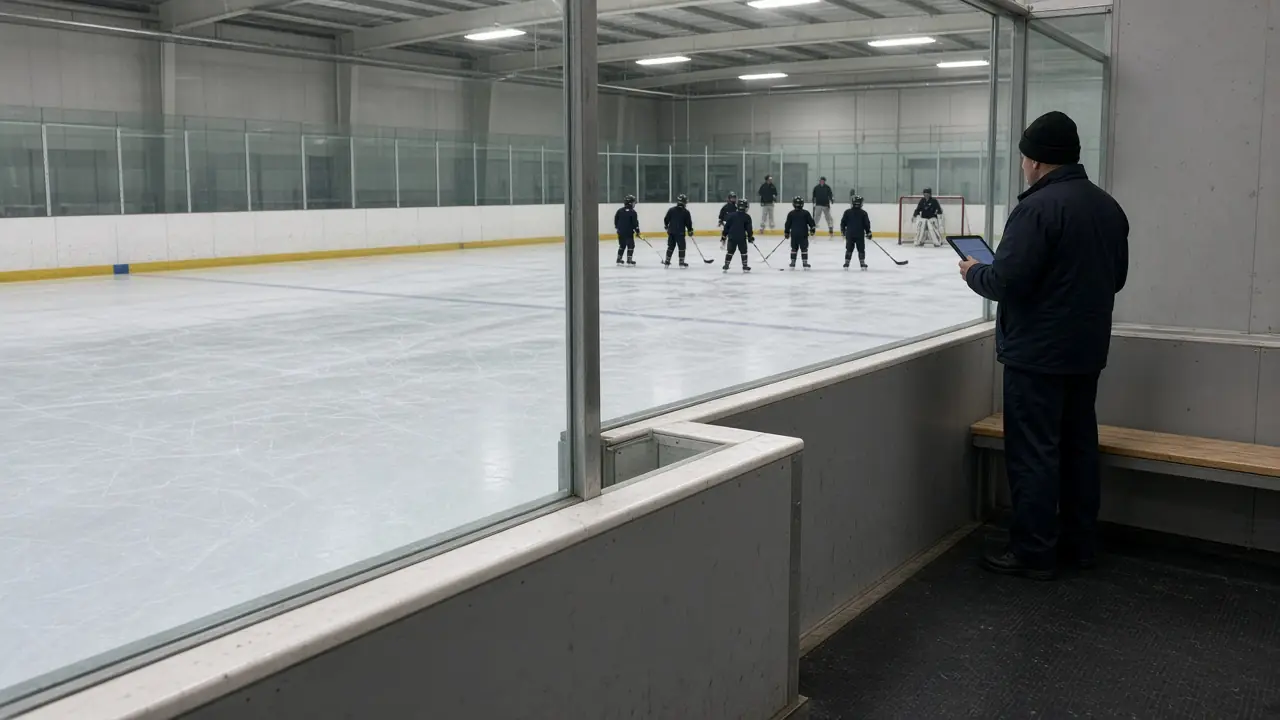
What happens when a 6:15 ice slot moves after bedtime?
The team that already packed the bags will drive to last night’s address unless the official schedule and the message move together. Everyone else inherits the argument in the lobby.
A Pittsburgh hockey or New York hockey morning can die before sunrise: a travel team bought the window, a compressor went down, parks moved you to the far pad. Dallas hockey has the opposite problem — fewer sheets, longer drives, and a club that booked the only early ice. Either way, the new rink has to land in the same channel as the original start time.
Do not announce “we moved” without the replacement. Name the teams, the new rink, the pad, the door, and the new start. If the ice is gone for the day, say that once, officially, and put the makeup in the master schedule before anyone asks for it. A 5:30 a.m. alarm does not survive “check the app.”
How should a metro hockey program handle more than one rink?
Treat each building as its own assignment, even if the same coach runs both days. A family that learned Monday’s lot will still get lost on Wednesday if the second address is only in a group chat.
Seattle hockey and Boston hockey households often have a house kid and a travel kid in the same week. Those rinks are not interchangeable. Publish both in one youth sports league management view so a parent can see the week without opening three tools. If the travel club uses a different app, the rec family still needs the house slot in the same place as the house roster.
Give each rink a short first-visit note: lot, door, where bags go, whether the lobby opens before the slot. First-time families in Chicago hockey will not guess that the east door is the only one unlocked at 5:50 a.m.
Do house and travel hockey families need the same schedule?
They need one official rink and start time per roster. They do not need the same fee sheet copied from the other program.
House and travel can differ on ice quality, travel weekends, and how coaches get paid. Fall often mixes both: a rec director filling a developmental season, a travel coach running a second roster on the same pad. If those lists disagree, the volunteer locker-room parent is the one holding two lineup cards.
Travel parents will hunt a club app. House parents will hunt a text thread. If those disagree, the house family leaves. Keep both on the same platform even if the rules differ. A Detroit hockey household with two kids should not need two logins to know who is on the ice at 6:15.
Do boys and girls hockey divisions need separate operations?
They can use different ice, different officials, and different age bands. They still need one official slot per roster so a household with a daughter at 6:15 and a son at 7:30 does not need two tools.
Do not treat the girls slot as leftover ice after the boys games. Give each division its own standings, officials notes, and parent messages. The Minneapolis hockey family that registered both kids will notice which division gets the better pad and the clearer note. Girls hockey is not a leftover hour. It is a roster that still needs a door and a start time.
What should a first-time hockey family know before the first skate?
Send one first-ice note. Cover arrival time, lot, door, pad, what kids wear, and where the live schedule lives. Do not bury it in a 12-email welcome series.
- Arrive 20 to 25 minutes before the listed start. Hockey needs more time than a field sport: bags, tape, a helmet, and a walk from the far lot.
- Kids need the league jersey if they have it, a helmet, gloves, skates, a stick, and a water bottle. Follow the equipment list your director sent, not a catalog from another city.
- Treat the published time as the first whistle, not the arrival time.
- Parents stay off the ice. Sideline coaching that shouts over the volunteer coach confuses kids who are still learning to stop.
- If the league posts a rink map, open it before you leave the house.
Jewelry comes off. A toy helmet from the garage is not a substitute if the league specified certified gear. When in doubt, follow the note the director sent. Buffalo hockey house rules are not always the same as a travel packet in Boston. The first-ice note should say who to find in the lobby if a kid is missing a piece.
What happens when weather, school, or a compressor cancels the ice?
A closed rink has the same effect as a rainout — except the drive is longer and the alarm was earlier. Call the cancel in the same place as the original slot.
Ice does not care that your bracket is printed. A Chicago hockey or Minneapolis hockey morning can die on a school delay, a snow emergency, or a plant that cannot hold the sheet. Families will forgive weather. They will not forgive three different restart times. Give coaches the same notice parents get. They are the ones standing in the lot when the wrong team walks in.
If school is closed and the rink is still open, say that once. If the rink is closed and school is open, say that once. Vague “check closer to 6” notes refill the inbox and put cars on the road for nothing. Put the makeup in the master schedule before anyone asks for it.
How should a hockey director message an ice change?
Call the change in the same place as the original slot. Say which teams moved, which rink and pad they got, which door to use, and what time the puck drops.
Vague “check the app” notes refill the inbox. Families will forgive a compressor. They will not forgive finding out in the lobby. Give coaches the same notice parents get. They are the ones holding the clipboard when the wrong color walks onto the sheet.
- Name the teams and pads that moved, not “morning ice.”
- If the rink is closed, say that once, officially.
- Put the makeup in the master schedule before anyone asks for it.
- If the new building has a different door or lot, say that in the same message.
Why do locker rooms and door codes belong next to the roster?
Because a 6:15 slot is already tight. A family that finds the rink and still cannot get into the locker hallway will miss the first drill. The door code is not a secret for the coaching staff. It is part of the assignment.
Publish the locker assignment the same way you publish the pad: next to the week’s ice, not in a photo from last season. If codes change weekly, the new code has to hit the same channel as the start time. Pittsburgh hockey and Denver hockey buildings often rotate rooms. A stale code is a missed shift.
What should a hockey director check before the next ice slot?
You need the basics to hold while the roster is still moving. House hockey adds kids after week one. Travel drops a player and adds another. The schedule has to survive that.
- Every parent can find tonight’s rink, pad, door, and start time without asking a coach.
- Every coach can see an accurate roster, including late adds.
- A lost ice buy, compressor failure, or pad flip hits the same source everyone already uses.
- House and travel, boys and girls, each have their own slot and their own parent note.
- New families get a short first-ice note: arrival time, lot, door, what kids wear.
- You have one place to message a team instead of rebuilding a text thread.
If those things are true, a fall hockey season can absorb a buyback, a late registration, and a coach who has to work Thursday. If they are not, the league spends its goodwill on lobby logistics. Brands that want to show up on that ice can sponsor a game. Directors can request a demo. Coaches Pick stays free for league owners.
Frequently asked questions
What is the hardest part of running a youth hockey league?
Ice time. House and travel programs buy short rink windows. A pad change, a late buyback, or the wrong address creates more parent questions than the score. The official rink, pad, door, and start time have to live in one place.
How should youth hockey leagues announce an ice slot change?
Update the master schedule first, then message every affected roster with the new rink name, pad number, door, and start time. Coaches and parents should see the same change at the same time. A 6:15 a.m. practice cannot survive three different addresses.
Do house and travel hockey families need the same schedule?
They can use different fees, different coaches, and different travel. They still need one official rink and start time per roster so a household with two kids does not need two tools.
Is Coaches Pick free for youth hockey league owners?
Yes. Coaches Pick is free for league owners, including house, rec, and travel hockey programs. Parents, coaches, referees, and kids get dedicated portals for schedules, rosters, and messages.